
A better product brief does not need to be a long one
A few useful details help a supplier choose relevant options instead of sending a catalogue that misses the point.
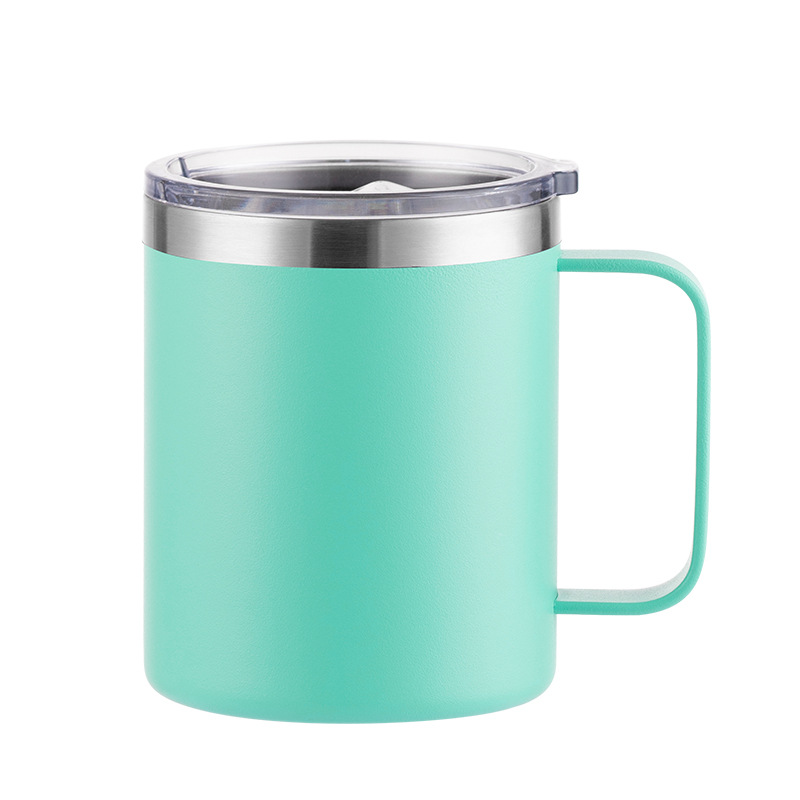
A supplier can suggest a long list of products. A useful brief helps them suggest the right few. You do not need a finished design, but it helps to explain what the product is meant to achieve.
Start with the audience and the use. Is this an item people will buy in a shop, a gift for an event or part of a team kit? A product that works well for retail may need different packaging and price positioning from a giveaway.
Include approximate quantity, destination and the date the goods need to arrive. If the items are for several locations, say so. Those details affect the supply plan as much as the product itself.
A reference image helps communicate shape and style. Add a logo file if you have one, but explain whether its colors, size or position can change. Do not assume that a photo confirms the material, capacity or performance of the product shown.
A target budget is useful even when it is provisional. Be clear whether it covers the product alone, individual packaging or delivery too, so comparisons mean something.
Finally, separate the essentials from the preferences. If a finish is flexible but a required arrival date is not, tell your supplier. A short brief with clear priorities is more useful than a detailed one that treats every detail as fixed.
Send the Dellty team whatever you already have. We can work through the missing details together.
Working on a similar project?
Bring the idea, reference or customer brief. We can discuss a practical next step.
Speak with the team ↗